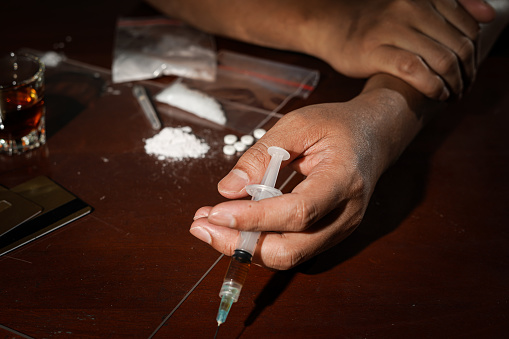
Drug dependence can develop gradually, making it difficult for someone to recognize when substance use has become a serious concern. What may begin as occasional use or an attempt to manage stress, pain, or emotional discomfort can eventually affect physical health, relationships, finances, and everyday responsibilities. Recognizing the signs of drug dependence early gives Regina residents an opportunity to seek professional support before the situation becomes a crisis.
Drug dependence can involve physical changes, such as tolerance and withdrawal, as well as psychological patterns like cravings and difficulty controlling use. However, physical dependence does not automatically mean someone has an addiction. A proper assessment considers the person’s overall behaviour, health, and the impact substance use has on daily life.
If you are concerned about your own drug use or someone close to you, understanding the warning signs is an important first step. Detox Regina provides information and resources for people struggling with drug and alcohol addiction, including guidance on detox and finding support.
What Is the Difference Between Drug Dependence and Addiction?
The terms drug dependence and addiction are sometimes used interchangeably, but they do not always mean the same thing.
Physical dependence occurs when the body adapts to regular exposure to a substance. If someone reduces their use or stops taking it, they may experience withdrawal symptoms. This can happen with certain prescription medications, even when they are taken under medical supervision.
Addiction, also known as substance use disorder, involves a pattern of compulsive substance use that continues despite harmful consequences. A person may struggle to control how much they use, experience strong cravings, or continue using even when relationships, health, or responsibilities are affected.
According to Health Canada’s information on substance use, tolerance, dependence, and withdrawal are important parts of understanding substance-related risks. However, these experiences need to be considered in context rather than treated as automatic proof of addiction.
Why This Difference Matters
Understanding the distinction helps prevent unnecessary shame and encourages appropriate medical care. Someone who experiences withdrawal from a prescribed medication may need professional help adjusting their treatment, while someone showing signs of compulsive substance use may benefit from a broader addiction assessment.
In either situation, seeking guidance early is safer than trying to manage the problem alone.
Early Warning Signs of Drug Dependence
There is no single sign that confirms drug dependence. Instead, warning signs often appear as a combination of physical symptoms, behavioural changes, and increasing difficulty managing everyday life.
1. Developing a Higher Tolerance
Tolerance occurs when the body becomes accustomed to a substance and a person needs more to experience the same effect.
For example, someone may gradually increase the amount of a drug because their usual dose no longer produces the desired result. This can increase the risk of harmful effects, particularly when substances are combined or taken in larger amounts than intended.
An increasing need for a substance should not be ignored. It is a reason to discuss use with a qualified healthcare professional.
2. Experiencing Withdrawal Symptoms
Withdrawal can occur when someone who has been using a substance regularly reduces or stops taking it. Symptoms vary depending on the substance, amount used, and length of use.
Possible symptoms include:
- Sweating, chills, or shaking.
- Nausea, vomiting, or stomach discomfort.
- Anxiety, irritability, or agitation.
- Difficulty sleeping.
- Muscle aches and physical discomfort.
- Strong cravings or restlessness.
- Changes in mood or concentration.
Some withdrawal symptoms can be medically serious. Alcohol and benzodiazepine withdrawal, for example, may involve seizures or severe confusion. People who may be physically dependent should seek medical advice before stopping suddenly.
3. Difficulty Controlling Substance Use
One of the more concerning signs is repeatedly using more than intended or finding it difficult to cut down.
A person might promise themselves they will only use a small amount, only use on certain days, or stop after a particular event. However, those limits may become increasingly difficult to maintain.
They may also spend considerable time obtaining substances, using them, or recovering from their effects.
If attempts to reduce use repeatedly fail, professional support can help identify what is making change difficult.
4. Hiding or Minimizing Drug Use
Secrecy can develop when someone feels embarrassed, fears judgment, or worries about how others will react.
You might notice that a loved one avoids questions about their activities, gives unclear explanations about missing money, or becomes defensive when substance use is mentioned.
They may also minimize the amount they use or insist that there is no problem despite clear changes in their health or responsibilities.
These behaviours do not prove addiction by themselves. However, when they occur alongside other warning signs, they may indicate that a supportive conversation and professional assessment are needed.
5. Neglecting Important Responsibilities
Drug dependence can gradually take priority over activities that once mattered.
Someone may begin missing work, falling behind at school, neglecting household responsibilities, or withdrawing from family commitments. They might also lose interest in hobbies and social activities that previously brought enjoyment.
These changes can affect relationships and create additional stress, which may further contribute to substance use.
Recognizing this pattern early can help prevent further disruption to daily life.
Behavioural and Emotional Changes to Watch For
Drug dependence affects more than physical health. It can also influence emotions, decision-making, and relationships.
Changes in Mood and Personality
Some people experience increased irritability, anxiety, low mood, or unpredictable emotional reactions. Others become withdrawn, less communicative, or unusually defensive.
These changes may be related to intoxication, withdrawal, underlying mental health concerns, or a combination of factors.
Rather than assuming that every emotional change is caused by drug use, consider the overall pattern. A healthcare professional can help determine whether substance use, depression, anxiety, or another concern may be involved.
Using Drugs to Cope With Stress or Emotional Pain
A person may begin relying on substances to manage difficult feelings or everyday pressures. They might use drugs to feel more confident socially, escape painful memories, reduce anxiety, or cope with loneliness.
Although substances may provide temporary relief, relying on them can make emotional difficulties harder to manage over time.
This is why addiction treatment should consider mental health alongside substance use. Addressing anxiety, depression, trauma, or chronic stress can help people develop healthier ways to respond to difficult experiences.
When Should You Seek Professional Addiction Help in Regina?
You do not need to wait for a major health emergency, job loss, or relationship breakdown before asking for help. Early support can make it easier to understand the problem and identify appropriate treatment options.
Consider seeking professional guidance if:
- You regularly use more of a substance than you intended.
- You experience cravings that are difficult to manage.
- You have tried to stop but repeatedly return to use.
- You feel physically or emotionally unwell when you reduce your use.
- Substance use is affecting your relationships or responsibilities.
- You are concerned about the safety of your drug use.
- You are combining drugs, prescription medications, or alcohol.
A healthcare professional can review your substance use history, assess your physical and mental health, and discuss appropriate treatment.
Recognize When Immediate Medical Attention Is Necessary
Some situations require emergency care rather than a routine appointment.
Call 911 if someone is unconscious, cannot be awakened, has severe breathing difficulties, experiences a seizure, or shows signs of a life-threatening overdose.
If an opioid overdose is suspected and naloxone is available, administer it according to its instructions while waiting for emergency services. Stay with the person and follow the emergency operator’s directions.
Do not assume someone can simply sleep off a suspected overdose.
What Happens When You Seek Help for Drug Dependence?
Asking for help can feel intimidating, especially if you are unsure what treatment involves. However, the first step is usually a conversation and assessment, not a commitment to a particular program.
Medical Assessment and Detox Support
A healthcare professional may ask about the substances being used, how frequently they are taken, the amount involved, and any previous withdrawal experiences. They may also review medications, physical health conditions, and mental health concerns.
If withdrawal management is needed, the safest approach depends on the substance and the person’s individual circumstances.
Professional detox support can help manage withdrawal symptoms and identify medical concerns. However, detox alone does not address every factor that contributes to addiction. Continued care is often an important part of building lasting recovery.
Inpatient and Outpatient Treatment Options
Different levels of treatment are available depending on a person’s needs.
Inpatient or residential treatment provides a structured environment for people who require more intensive support or a setting away from circumstances associated with substance use.
Outpatient treatment allows individuals to attend scheduled appointments while continuing to live at home. Depending on the program, this may include counselling, medical appointments, group support, and relapse prevention services.
Not everyone requires the same level of care. A professional assessment can help determine which approach is appropriate.
Individualized Mental Health and Recovery Support
A useful recovery plan considers the whole person, including physical health, emotional well-being, relationships, and personal circumstances.
Depending on individual needs, ongoing support may include:
- Addiction counselling and behavioural therapies.
- Assessment and treatment for anxiety or depression.
- Medical care and medication management.
- Peer support and recovery groups.
- Family counselling and relationship support.
- Healthy routines involving sleep, nutrition, and physical activity.
- Spiritual or faith-based support when desired.
Mindfulness, creative activities, exercise, and time outdoors may also complement professional treatment. These approaches should support, rather than replace, appropriate medical and addiction care.
How Families Can Recognize Drug Dependence Early
Family members and close friends are often among the first to notice changes in someone’s behaviour. However, bringing up substance use can be difficult, especially when the person becomes defensive or denies having a problem.
Start With Concern, Not Accusation
Choose a calm, private time to talk. Explain the specific changes you have noticed and why they concern you.
For example, you could say, “I’ve noticed you’ve been missing work and seem unwell when you haven’t used. I’m worried about your health, and I want to help you find support.”
Listen to what the person has to say without turning the conversation into an argument. They may not be ready to discuss everything immediately, but a respectful conversation can make it easier to consider treatment later.
Offer Practical Support While Maintaining Boundaries
You might offer to help find addiction resources, arrange an appointment, or accompany your loved one to speak with a healthcare professional.
At the same time, protect your own well-being. Supporting someone does not mean covering up harmful behaviour, providing money for substances, or accepting threats and unsafe situations.
Families can also benefit from professional guidance and support groups. Addiction affects loved ones as well as the person using substances, and their needs deserve attention too.
Take Action Before Drug Dependence Becomes a Crisis
Recognizing the signs of drug dependence early can help you make informed decisions before substance use causes more serious harm. Increasing tolerance, withdrawal symptoms, cravings, secrecy, and difficulty meeting everyday responsibilities are all reasons to take a closer look at what is happening.
You do not have to wait until you lose control or experience a medical emergency to seek support. A conversation with a healthcare professional can help clarify your situation and identify safe, appropriate next steps.
If you or someone you love is struggling with drug or alcohol use in Regina, visit Detox Regina or call 1-306-700-2806 to learn more about drug and alcohol detox information and available resources.
Early action can make a meaningful difference. With appropriate medical guidance, individualized treatment, and continued support, it is possible to address substance use concerns and begin building a healthier future.