Drug and alcohol addiction can feel like a prison with no way out. For many who struggle with substance abuse, the cycle of addiction becomes a relentless loop of pain, regret, and helplessness. But the truth is, recovery is always possible. The first step is breaking the chains—and that starts by finding real help that addresses not just the addiction itself, but the root causes behind it.
Addiction is not a sign of weakness or a moral failure; it’s a complex medical condition that affects both the brain and behavior. It often begins as a way to escape emotional pain, trauma, or mental health issues like depression and anxiety. Over time, the substances take control, making it nearly impossible to quit without support. That’s why seeking professional help is not only important—it’s essential.
Real help for drug and alcohol addiction goes beyond simply detoxing or “staying clean” for a few weeks. Recovery involves healing the mind, body, and spirit. Medical detox is often the first step, helping the body safely rid itself of drugs or alcohol while managing withdrawal symptoms. This process should always be done under medical supervision, especially for substances like alcohol or opioids, where withdrawal can be dangerous or even life-threatening.
Once detox is complete, the next step is treatment. Inpatient rehab centers provide structured programs where individuals live on-site, away from triggers and temptations. These programs often include therapy, group counseling, and education about addiction. Outpatient treatment is another option for those who need flexibility, allowing people to continue working or caring for their families while attending regular therapy sessions.
Therapy is at the heart of recovery. Cognitive-behavioral therapy (CBT), trauma-focused therapy, and group support like 12-step programs help individuals understand why they turned to substances in the first place. Therapy also teaches coping strategies, emotional regulation, and relapse prevention tools, which are critical for long-term success.
Support systems play a huge role in breaking the chains of addiction. Connecting with sober communities, recovery groups, or trusted family and friends provides accountability and encouragement. Knowing you’re not alone makes a significant difference in maintaining motivation and resilience.
There are also many new treatment options today, including medication-assisted treatment (MAT) for opioid and alcohol use disorders. These medications reduce cravings and prevent relapse, making recovery more manageable for many people.
Ultimately, finding real help means reaching out and accepting that you deserve a better life. It’s about letting go of shame and embracing the possibility of change. No matter how long you’ve struggled, it’s never too late to start the journey toward freedom.
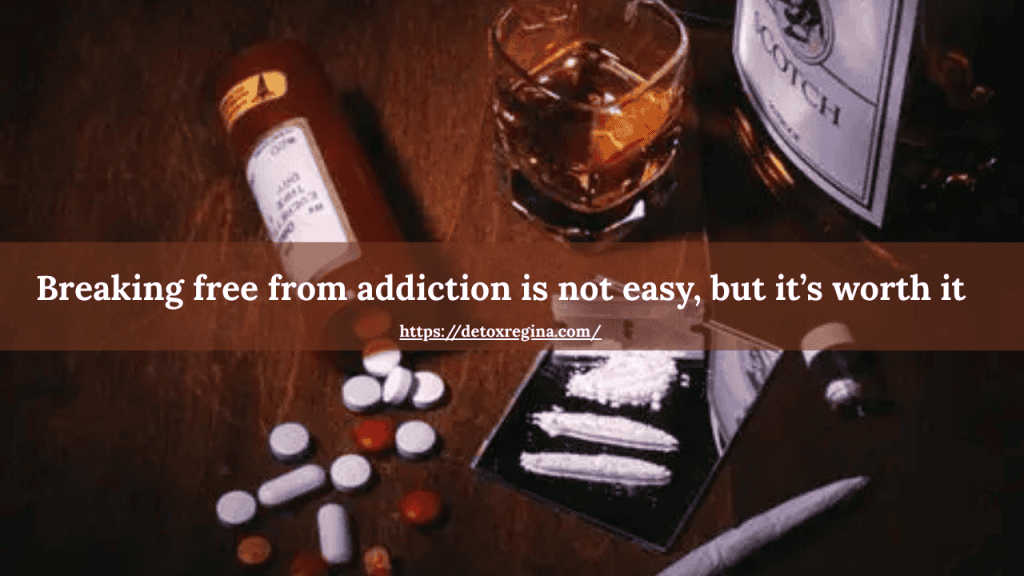
Breaking free from addiction is not easy, but it’s worth it. With the right treatment, compassionate support, and a willingness to take the first step, you can break the chains of drug and alcohol addiction and reclaim your life.