Categories
Uncategorized

Healing Begins Here: Practical Resources for Addiction Recovery

When addiction takes hold, it can feel like life has been reduced to a series of impossible choices. The path forward may seem unclear, but recovery is always possible. Healing does not happen overnight, but with the right guidance, resources, and support, lasting change can begin today. At Detox Regina, we provide compassionate, personalized care to help individuals reclaim their lives and build a healthy, fulfilling future.

Understanding the First Steps in Recovery

Addiction recovery begins with recognizing the need for help and taking the brave step to reach out. This is often the hardest part, but it sets the stage for transformation. At Detox Regina, we offer a safe, non-judgmental environment where clients can begin their journey without fear or shame.

The first stage often involves medically supervised detox to safely manage withdrawal symptoms. This process helps clear the body of substances while ensuring physical stability and emotional support. Detox alone is not recovery, but it is a critical foundation for the work that follows.

Comprehensive Treatment Options

Inpatient and Outpatient Care

Every recovery journey is unique, which is why we provide both inpatient and outpatient programs. Inpatient care offers a structured, immersive environment where clients live on-site, free from the triggers of daily life. Outpatient care allows individuals to maintain work or family responsibilities while participating in therapy and support sessions. Both approaches provide access to expert clinicians, evidence-based therapies, and ongoing support.

Individualized Treatment Plans

No two clients have the same history or needs. Our team develops personalized care plans that address the specific challenges each individual faces. We consider medical needs, mental health conditions, substance use history, and personal goals when designing a treatment approach.

Integrating Mental Health into Recovery

Substance use disorders often co-exist with mental health conditions such as depression, anxiety, or PTSD. Ignoring these underlying issues can hinder recovery. At Detox Regina, we offer integrated mental health treatment to ensure that clients receive complete care for both the mind and the body.

Holistic and Faith-Based Approaches

Treating the Whole Person

True healing extends beyond physical sobriety. Our holistic approach incorporates nutrition, fitness, mindfulness practices, and stress management to help clients build a stronger, healthier lifestyle.

Faith-Based Support

For those who seek spiritual connection in recovery, our faith-based programs offer an added layer of guidance and strength. We respect all beliefs and work with clients to incorporate their values into their recovery process.

Practical Resources for Lasting Sobriety

Recovery does not end when treatment is complete. Clients have access to ongoing aftercare resources such as support groups, relapse prevention planning, and community connections. These tools provide the structure and accountability needed to maintain long-term sobriety.

Family involvement is another powerful resource. We offer family counseling to help loved ones understand addiction, rebuild trust, and learn how to support recovery in a healthy way.

Your Next Step Toward Healing

Addiction recovery is not just about breaking free from substances—it is about building a life worth living. At Detox Regina, we walk alongside each client from the first phone call to long-term aftercare, ensuring that no one has to navigate this journey alone.

If you or someone you love is struggling with drug or alcohol addiction, now is the time to take action. Contact us today and take the first step toward a future filled with health, hope, and purpose. Healing truly does begin here.
Categories
Uncategorized

From Crisis to Care: Where to Turn When Addiction Takes Over

When addiction takes control of your life or the life of someone you love, it can feel like the world is spinning out of reach. The chaos, the confusion, and the quiet desperation can leave you wondering where to turn. The good news is that you’re not alone—and real, compassionate help is closer than you think. At Detox Regina, we understand the urgency of addiction and mental health crises, and we’re here to guide individuals from crisis to care with dignity, clarity, and hope.

Understanding the Impact of Addiction

Addiction is a chronic, progressive condition that affects the brain, behavior, and overall health. It often begins subtly, with attempts to cope with stress, trauma, or mental health challenges. Over time, substance use can evolve into dependence, and eventually into a full-blown addiction that impacts every area of life—relationships, work, finances, and physical well-being.

The emotional toll is just as heavy. Many individuals battling addiction feel isolated, ashamed, and uncertain about how to ask for help. Family members often feel helpless, unsure how to support their loved ones while protecting themselves from the chaos.

But even in the darkest moments, recovery is possible. The first and most important step is recognizing that professional help is necessary—and available.

Where to Turn for Real, Lasting Help

Comprehensive, Client-Centered Treatment at Detox Regina

At Detox Regina, we specialize in guiding individuals from the depths of addiction into a path of healing and long-term recovery. Our approach is more than just treatment—it’s transformation. We offer both inpatient and outpatient care, designed to meet people where they are in their journey, with treatment plans that reflect their personal story, strengths, and struggles.

Our detox and rehabilitation programs are medically supervised and led by a team of licensed professionals. We ensure safe withdrawal management while providing the emotional support necessary to navigate the early stages of sobriety.

Holistic Healing and Faith-Based Support

What sets us apart is our belief in treating the whole person, not just the addiction. Our holistic care model incorporates physical wellness, emotional resilience, spiritual grounding, and social connection. From nutrition and fitness to therapy and meditation, our programs promote healing on all levels.

For those seeking spiritual guidance, we also offer faith-based recovery options, respecting the values and beliefs that give our clients strength. Every person’s journey is different, which is why our care is always individualized and never one-size-fits-all.

What You Can Expect in Your First Steps

Reaching out can feel overwhelming, especially if this is your first time seeking help. At Detox Regina, our intake process is designed to be simple, compassionate, and non-judgmental. Whether you need immediate detox support or are looking for a longer-term recovery solution, our team walks you through every step with clarity and care.

We assess each client’s needs thoroughly, considering mental health conditions, physical health, trauma history, and personal goals. From there, we build a customized plan that includes medical care, counseling, group therapy, and life-skills training—everything needed to build a strong foundation for recovery.

Why Immediate Action Matters

Addiction thrives in silence and delay. Waiting can deepen the dependency and increase the risk of mental health deterioration, legal consequences, or even overdose. Taking action now—whether for yourself or a loved one—can prevent long-term damage and open the door to a healthier, more fulfilling life.

Take the First Step Toward Healing

If you or someone you care about is struggling with drug or alcohol addiction, it’s time to turn crisis into care. At Detox Regina, we offer more than treatment—we offer hope, support, and a path forward.

You don’t have to navigate this alone. Contact us today to speak with one of our compassionate professionals and begin your journey toward lasting recovery. Healing is possible. Let us walk with you every step of the way.

Categories
Uncategorized

Breaking the Chains: Finding Real Help for Drug and Alcohol Addiction

Drug and alcohol addiction can feel like a prison with no way out. For many who struggle with substance abuse, the cycle of addiction becomes a relentless loop of pain, regret, and helplessness. But the truth is, recovery is always possible. The first step is breaking the chains—and that starts by finding real help that addresses not just the addiction itself, but the root causes behind it.

Addiction is not a sign of weakness or a moral failure; it’s a complex medical condition that affects both the brain and behavior. It often begins as a way to escape emotional pain, trauma, or mental health issues like depression and anxiety. Over time, the substances take control, making it nearly impossible to quit without support. That’s why seeking professional help is not only important—it’s essential.

Real help for drug and alcohol addiction goes beyond simply detoxing or “staying clean” for a few weeks. Recovery involves healing the mind, body, and spirit. Medical detox is often the first step, helping the body safely rid itself of drugs or alcohol while managing withdrawal symptoms. This process should always be done under medical supervision, especially for substances like alcohol or opioids, where withdrawal can be dangerous or even life-threatening.

Once detox is complete, the next step is treatment. Inpatient rehab centers provide structured programs where individuals live on-site, away from triggers and temptations. These programs often include therapy, group counseling, and education about addiction. Outpatient treatment is another option for those who need flexibility, allowing people to continue working or caring for their families while attending regular therapy sessions.

Therapy is at the heart of recovery. Cognitive-behavioral therapy (CBT), trauma-focused therapy, and group support like 12-step programs help individuals understand why they turned to substances in the first place. Therapy also teaches coping strategies, emotional regulation, and relapse prevention tools, which are critical for long-term success.

Support systems play a huge role in breaking the chains of addiction. Connecting with sober communities, recovery groups, or trusted family and friends provides accountability and encouragement. Knowing you’re not alone makes a significant difference in maintaining motivation and resilience.

There are also many new treatment options today, including medication-assisted treatment (MAT) for opioid and alcohol use disorders. These medications reduce cravings and prevent relapse, making recovery more manageable for many people.

Ultimately, finding real help means reaching out and accepting that you deserve a better life. It’s about letting go of shame and embracing the possibility of change. No matter how long you’ve struggled, it’s never too late to start the journey toward freedom.

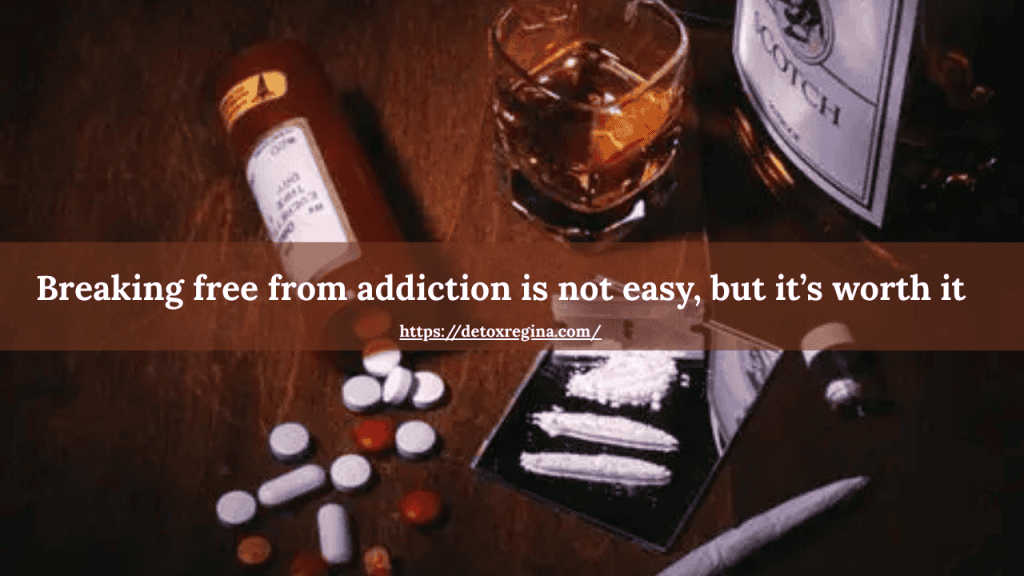
Breaking free from addiction is not easy, but it’s worth it. With the right treatment, compassionate support, and a willingness to take the first step, you can break the chains of drug and alcohol addiction and reclaim your life.

Categories
Uncategorized

Techniques for Alcohol Addiction Recovery

Recovering from alcohol addiction is a challenging journey, but with the right techniques and support, individuals can achieve lasting sobriety. Effective recovery involves a combination of medical treatment, psychological therapy, lifestyle changes, and strong support networks. Here are some essential techniques that can aid in overcoming alcohol addiction.

Medical Detoxification

The first step in many alcohol addiction recovery programs is medical detoxification. This process involves cleansing the body of alcohol and managing withdrawal symptoms under the supervision of healthcare professionals. Detox is crucial as it addresses the physical dependence on alcohol and prepares the individual for further treatment.

Cognitive Behavioral Therapy (CBT)

Cognitive Behavioral Therapy (CBT) is a widely-used psychological treatment that helps individuals understand the thoughts and feelings that influence their behaviors. In the context of alcohol addiction, CBT can help individuals identify triggers for drinking, develop coping strategies, and change harmful thought patterns. By focusing on the relationship between thoughts, feelings, and behaviors, CBT equips individuals with tools to manage cravings and avoid relapse.

Motivational Interviewing

Motivational interviewing is a counseling approach that helps individuals find the motivation to make positive changes. This technique involves a therapist working with the individual to explore their reasons for drinking, identify personal goals, and build a commitment to change. By fostering a sense of self-efficacy and highlighting the discrepancy between current behaviors and desired outcomes, motivational interviewing can empower individuals to take control of their recovery journey.

Support Groups

Support groups, such as Alcoholics Anonymous (AA), provide a community of individuals who share similar experiences and challenges. These groups offer a safe space for individuals to share their stories, receive encouragement, and learn from others who have successfully maintained sobriety. The peer support and accountability found in these groups can be a powerful motivator for staying sober.

Medication-Assisted Treatment (MAT)

For some individuals, medication-assisted treatment (MAT) can be an effective component of recovery. Medications such as naltrexone, acamprosate, and disulfiram can help reduce cravings, manage withdrawal symptoms, and prevent relapse. MAT is typically used in conjunction with counseling and behavioral therapies to provide a comprehensive approach to addiction treatment.

Mindfulness and Stress Management

Stress is a common trigger for alcohol use, and learning to manage it is crucial for maintaining sobriety. Mindfulness practices, such as meditation, yoga, and deep breathing exercises, can help individuals stay present and reduce stress. These techniques promote relaxation, enhance self-awareness, and provide healthy coping mechanisms for dealing with anxiety and cravings.

Healthy Lifestyle Changes

Adopting a healthy lifestyle is essential for long-term recovery. Regular exercise, a balanced diet, and sufficient sleep can improve physical health and mental well-being. Exercise, in particular, releases endorphins, which can boost mood and reduce stress. Engaging in hobbies and activities that provide a sense of purpose and fulfillment can also help individuals build a new, alcohol-free life.

Professional Counseling and Therapy

Ongoing counseling and therapy are critical for addressing the underlying issues that contribute to alcohol addiction. Whether it’s individual therapy, family therapy, or couples counseling, professional support can help individuals work through emotional pain, improve relationships, and develop healthier ways of thinking and behaving.

Aftercare and Relapse Prevention

Recovery is a lifelong process, and aftercare is vital for maintaining sobriety. Aftercare programs, such as continuing therapy, attending support group meetings, and staying connected with a recovery community, provide ongoing support and resources. Developing a relapse prevention plan that includes identifying warning signs, having a list of people to call for support, and creating strategies for handling high-risk situations can help individuals stay on track.

Recovering from alcohol addiction requires a multifaceted approach that addresses the physical, emotional, and psychological aspects of the condition. By utilizing a combination of medical treatment, therapy, support groups, and lifestyle changes, individuals can build a solid foundation for lasting sobriety.

Categories
Uncategorized

Accessible Resources for Those Fighting Drug and Alcohol Addiction

Fighting drug and alcohol addiction can be an arduous journey, but individuals do not have to face it alone. Across the globe, numerous accessible resources are available to support individuals in their quest for recovery. From hotlines to community programs, these resources offer guidance, encouragement, and assistance to those struggling with addiction. In this article, we will explore some of the accessible resources available for individuals fighting drug and alcohol addiction and how they can provide invaluable support on the path to recovery.

1. Hotlines and Helplines:

One of the most accessible resources for individuals battling addiction is hotlines and helplines staffed by trained professionals who can offer immediate support and guidance. These hotlines provide a confidential and nonjudgmental space for individuals to share their struggles, ask questions, and receive information about available treatment options and support services. Whether it’s a national helpline or a local crisis line, these resources are often available 24/7, making them readily accessible to those in need of immediate assistance.

2. Support Groups:

Support groups, such as Alcoholics Anonymous (AA) and Narcotics Anonymous (NA), offer a supportive community for individuals in recovery from drug and alcohol addiction. These groups provide a safe and nonjudgmental space for individuals to share their experiences, receive encouragement, and learn from others who have walked a similar path. In addition to in-person meetings, many support groups offer virtual meetings and online forums, making them accessible to individuals regardless of their location or schedule.

3. Community-Based Programs:

Many communities offer a variety of programs and services designed to support individuals in recovery from drug and alcohol addiction. These may include outpatient treatment programs, sober living homes, peer support services, and community-based counseling centers. These programs often provide a continuum of care, offering a range of services to meet the diverse needs of individuals at different stages of recovery. Additionally, community-based programs may offer financial assistance or sliding-scale fees to ensure that services are accessible to all individuals, regardless of their financial situation.

4. Online Resources:

The internet has become a valuable resource for individuals seeking information and support for drug and alcohol addiction. Numerous websites and online platforms offer educational resources, self-help tools, and virtual support groups for individuals in recovery. These resources provide a convenient and accessible way for individuals to access information, connect with others, and find support from the comfort of their own homes. Additionally, many online resources offer anonymity, allowing individuals to seek help without fear of judgment or stigma.

5. Peer Support Networks:

Peer support networks, such as SMART Recovery and Refuge Recovery, offer an alternative approach to traditional 12-step programs for individuals in recovery from drug and alcohol addiction. These networks emphasize self-empowerment, mindfulness, and evidence-based strategies for achieving and maintaining sobriety. Peer support networks often provide a supportive community of individuals who share similar goals and experiences, offering encouragement, accountability, and practical guidance on the journey to recovery.

Accessible resources are available to support individuals fighting drug and alcohol addiction at every step of their recovery journey. From hotlines and helplines to support groups, community-based programs, online resources, and peer support networks, these resources offer guidance, encouragement, and assistance to individuals seeking help for addiction. By accessing these resources, individuals can find the support and encouragement they need to navigate the challenges of addiction and embark on the path to recovery. Remember, you are not alone, and help is available.